The Toxic Tour: A Glimpse into the Reality of the Metro-East
Friday, June 12, 2026 UCM invited the Illinois Environmental Protection Agency (IEPA) down from up north to get a first hand look at the reality of the regions’ various high risk communities their agency is responsible for overseeing.
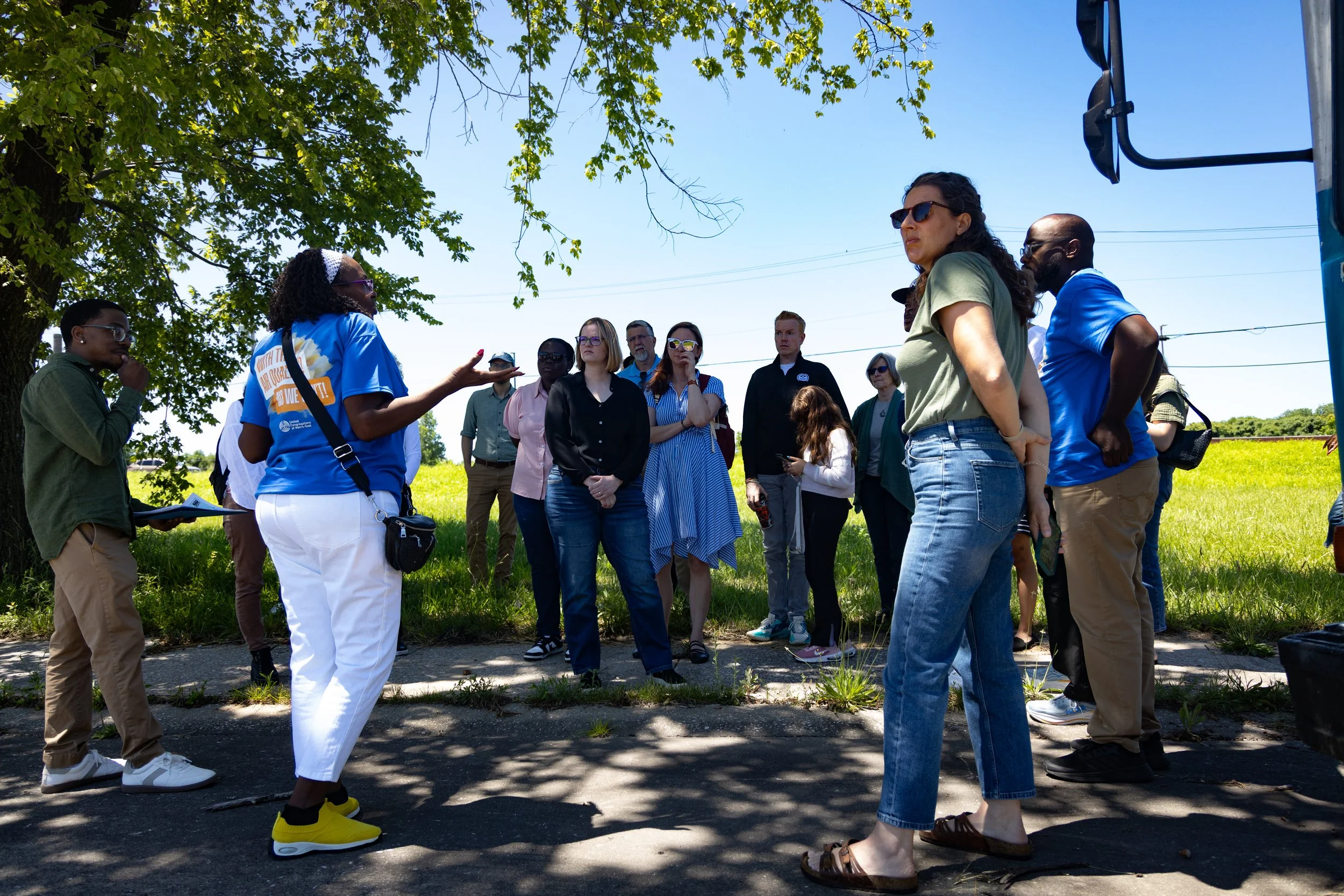
The IEPA Director James Jennings, Deputy Director of Environmental Policy Amanda Raddatz, Environmental Justice Coordinator Chris Pressnall, along with environmental representatives and local activists participated in the environmental Toxic Tour, a guided bus tour which featured ten of the most neglected sites within the metro-east.
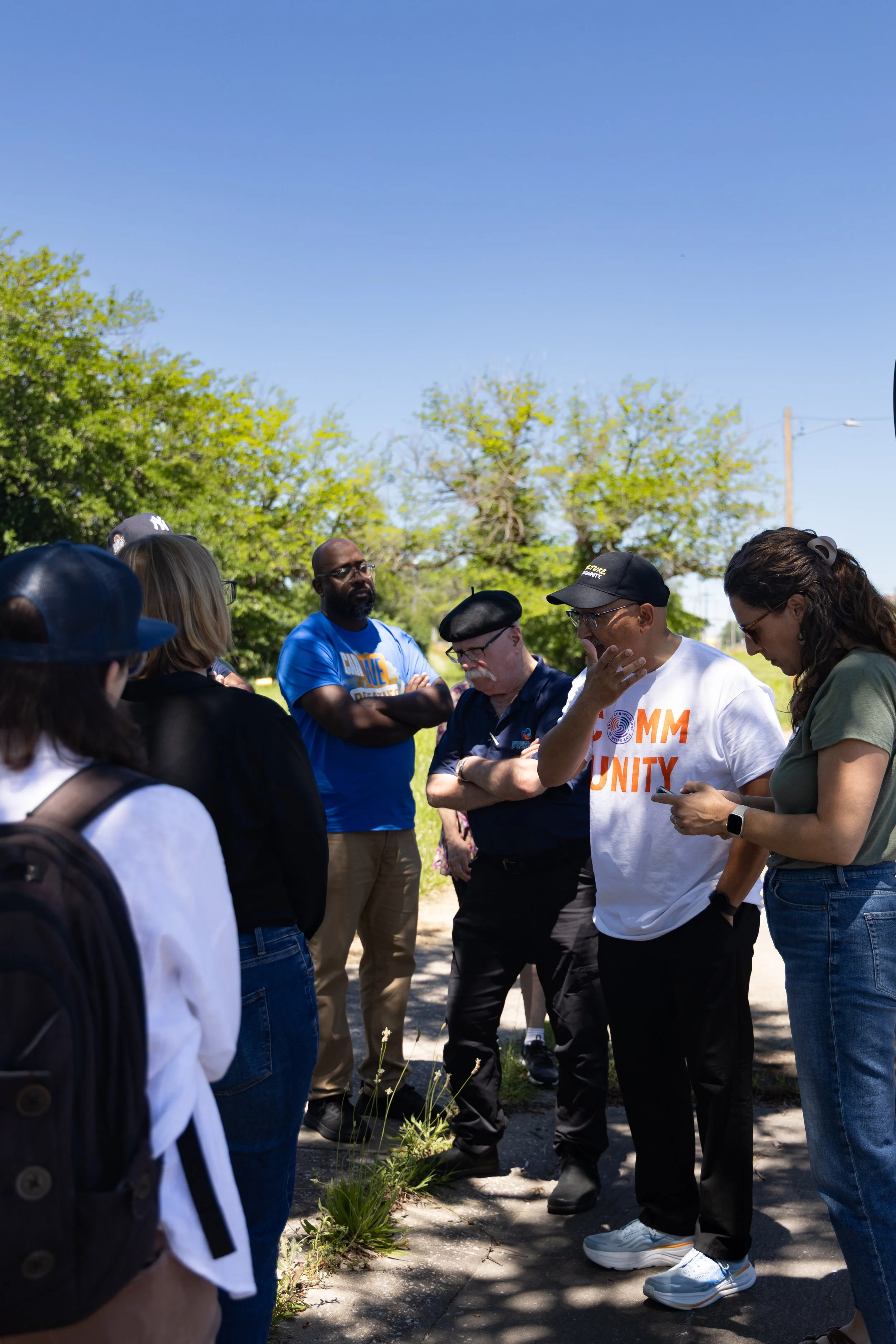
Our tour guide, Jalen Williams from COFI, guided participants through sites across East St. Louis, Cahokia Heights, Washington Park, Caseyville, Centreville Township, and Sauget. All locations a local like myself was familiar with. The tour took us past neighborhoods my cousins live in, past schools my mom taught at, past shops I’ve shopped at, and down roads I grew up witnessing the deterioration of. Together, the communities we saw represent some of the highest environmental burdens in our state.
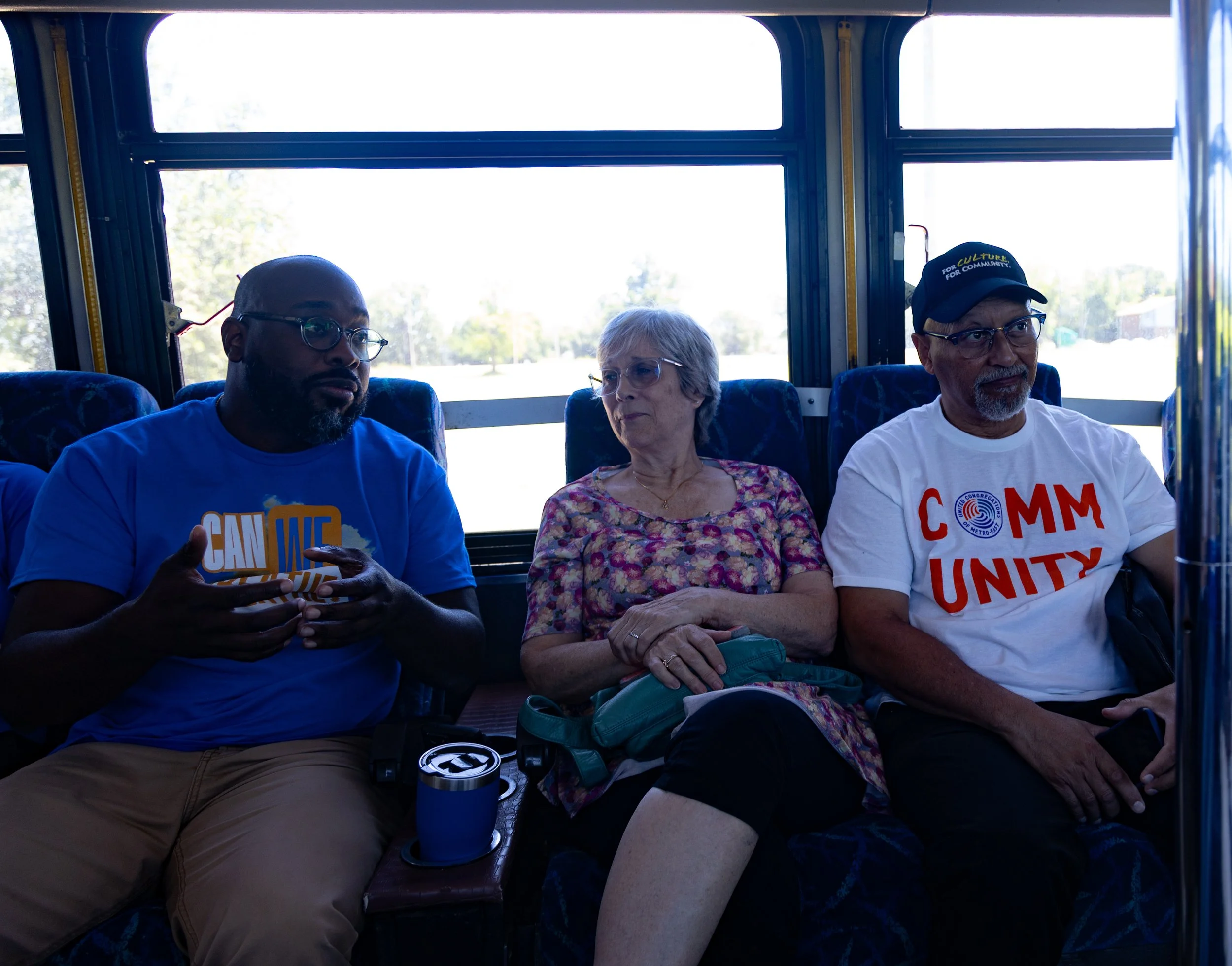
During the tour Williams spoke about the flooding and sewage issues plaguing the area. With several examples of overflowing ditches along the roadways in East St. Louis, Washington Park, and Cahokia Heights, as it had rained earlier that morning.
As someone familiar to the area this came as no surprise. We all know the times where pools of water sit on the sides of the road, often stretching out into the street causing slippery driving conditions, often spanning days after rain came to and left the area. What was a surprise was how normal that abnormality was to me. Proper drainage infrastructure can be fixed, yet after a lifetime of never seeing East St. Louis without clear ditches that reality is often justified as just the way things are.
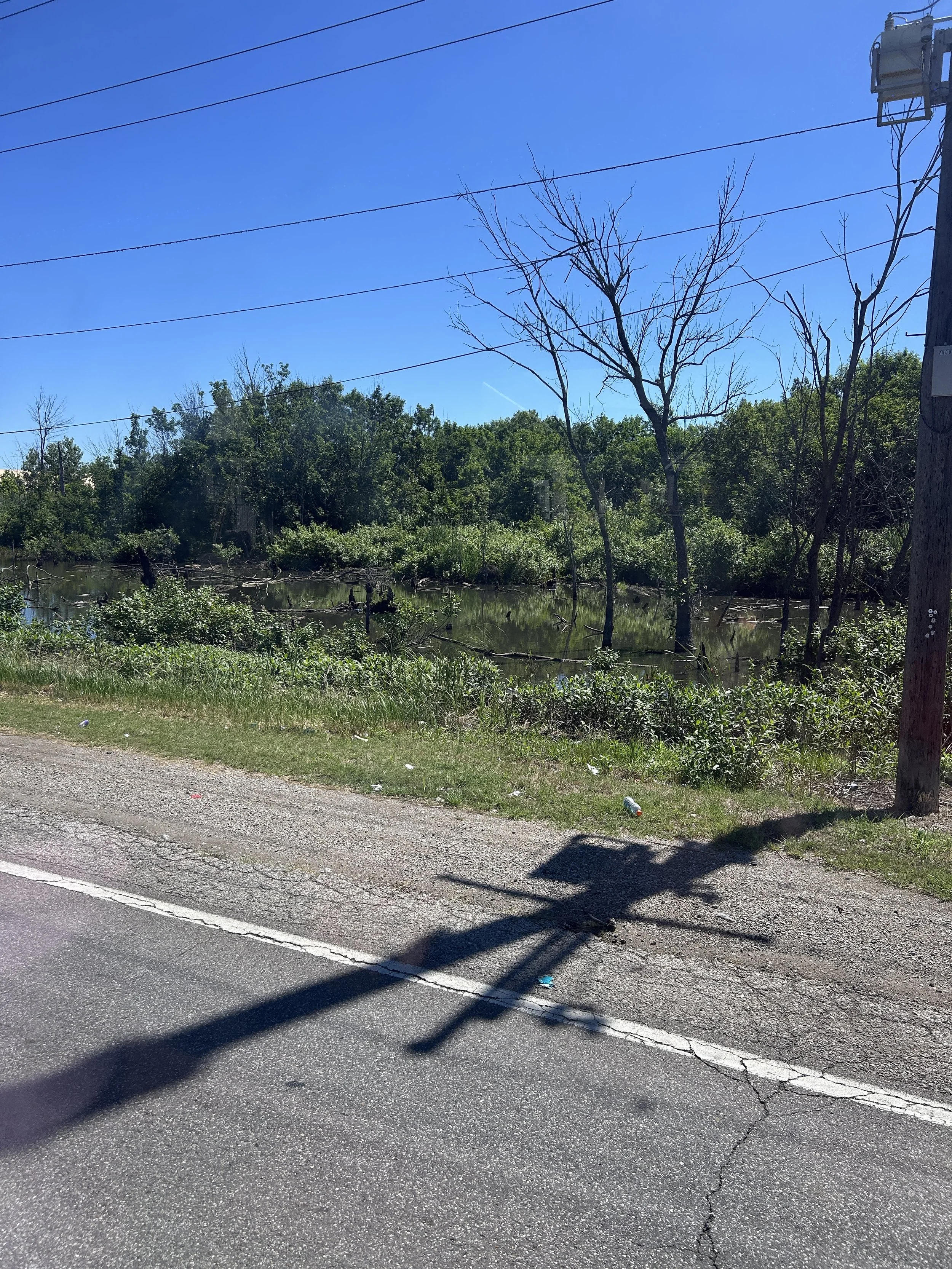
Williams continued to explain that during times of heavy rain and flooding, sewage from East St. Louis and Cahokia heights will overflow into the lake at Frank Holten State Park. A state park filled with hazardous bacteria and human waste, with only one small visible from outside of the park grounds warning guests not to swim, boat, or fish.
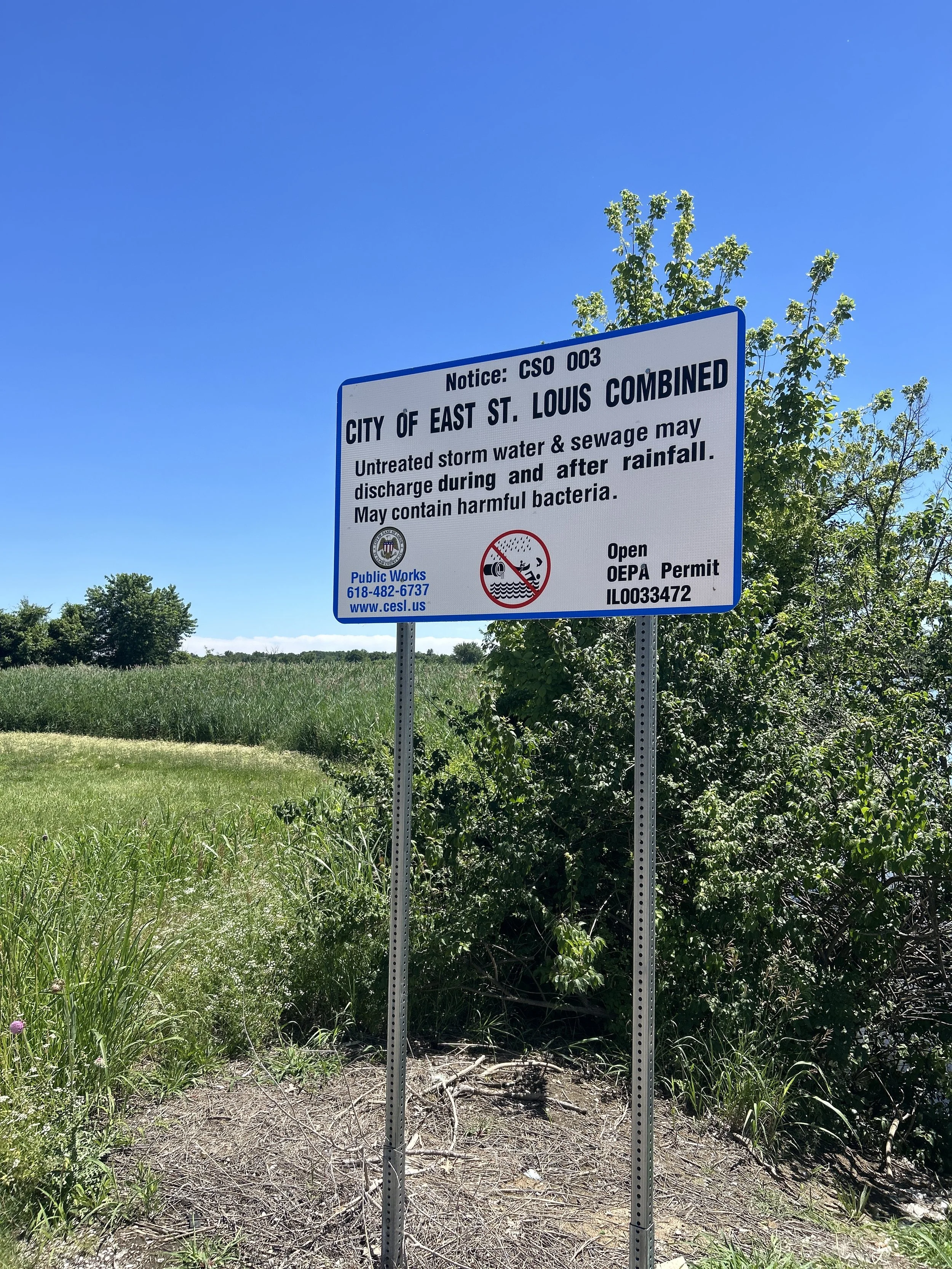
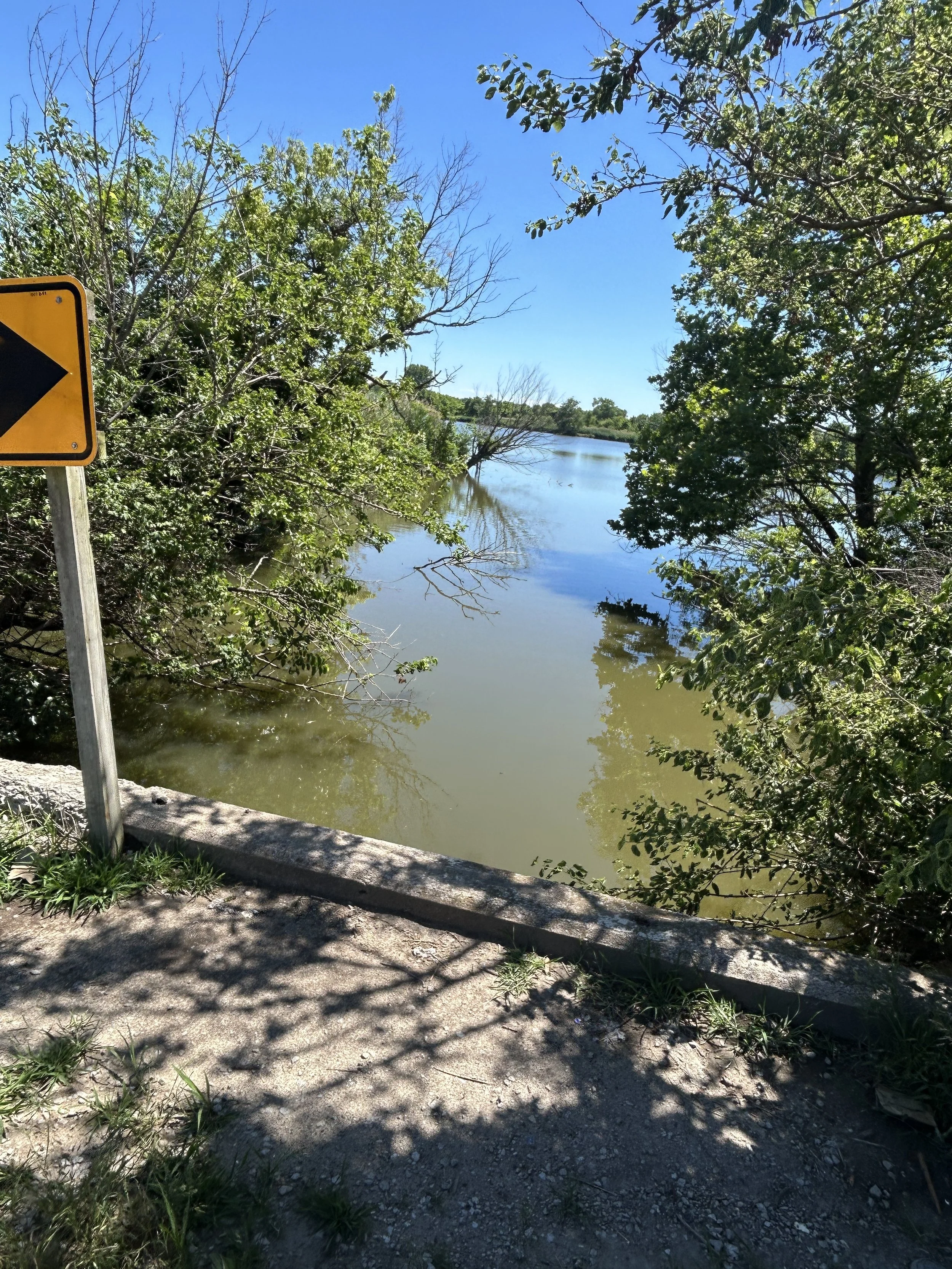
According to a federal Clean Water Act complaint, nearly 300 sewage overflows from East St. Louis into the Mississippi River have been recorded since 2019. Throughout the tour several concerns regarding locals' distrust in the public drinking water system, as some Cahokia Heights residents have found E. coli in their drinking water through community-organized testing of samples from kitchen taps.
Participants on the tour witnessed decades-long of continuous damage these high risk communities face, such as a 14-mile-long, bacteria infested, stormwater drainage canal known as Harding Ditch. A ditch that has been engulfed in still water for over twenty years with no proper drainage that often overflows and floods the neighboring homes. As we drove through the neighborhood just adjacent to the ditch it was dystopian to witness lively homes with clean, manicured lawns sitting next to boarded up, vacant homes that had been abandoned for years.
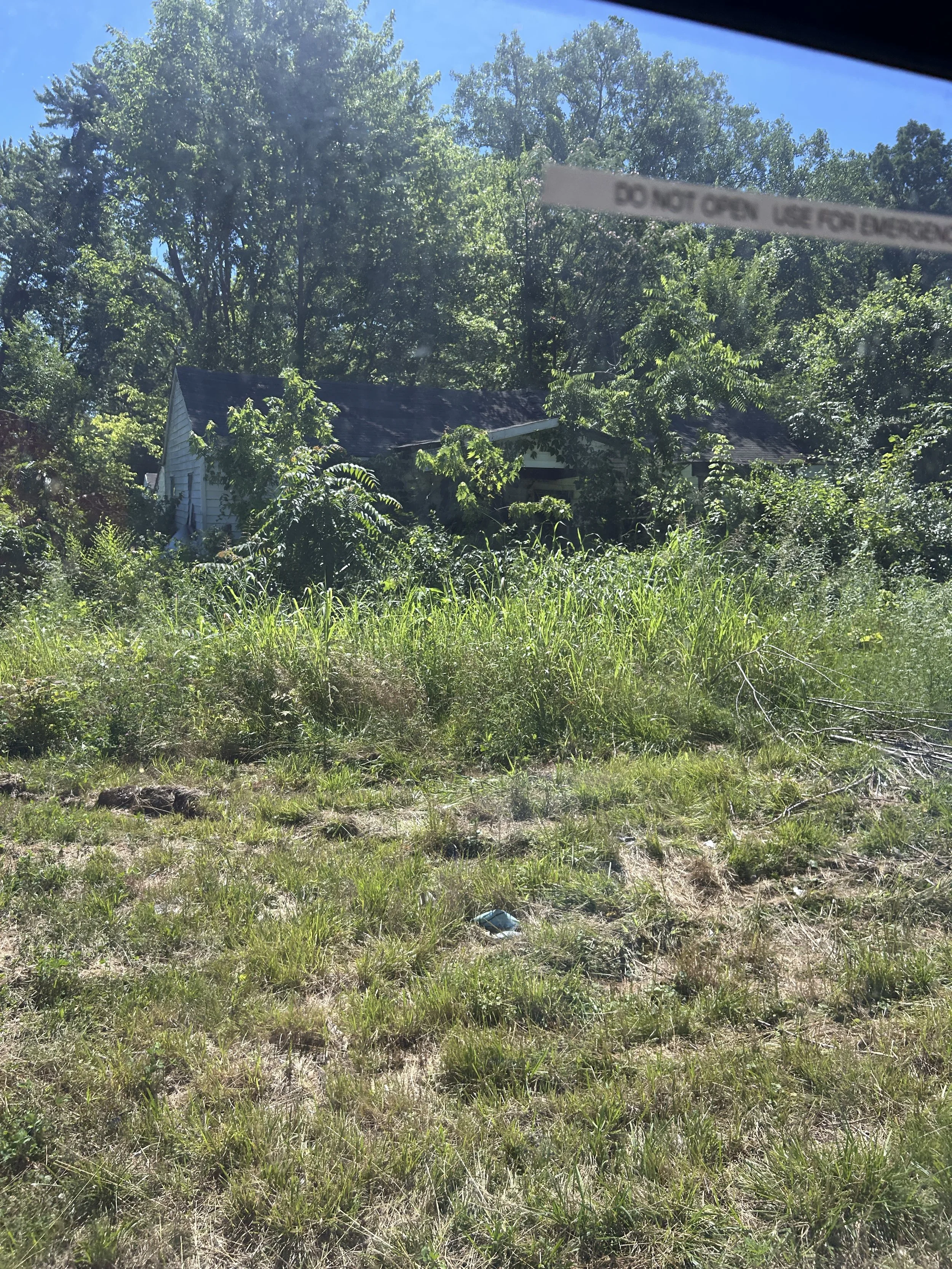
Local activist Yvette Lyles spoke about her lived experience with repeated floods in the area. “Some people will go in and try to redo their homes, but how many times can you do this? As you can see, most of these homes are abandoned. They got tired, ” she said.
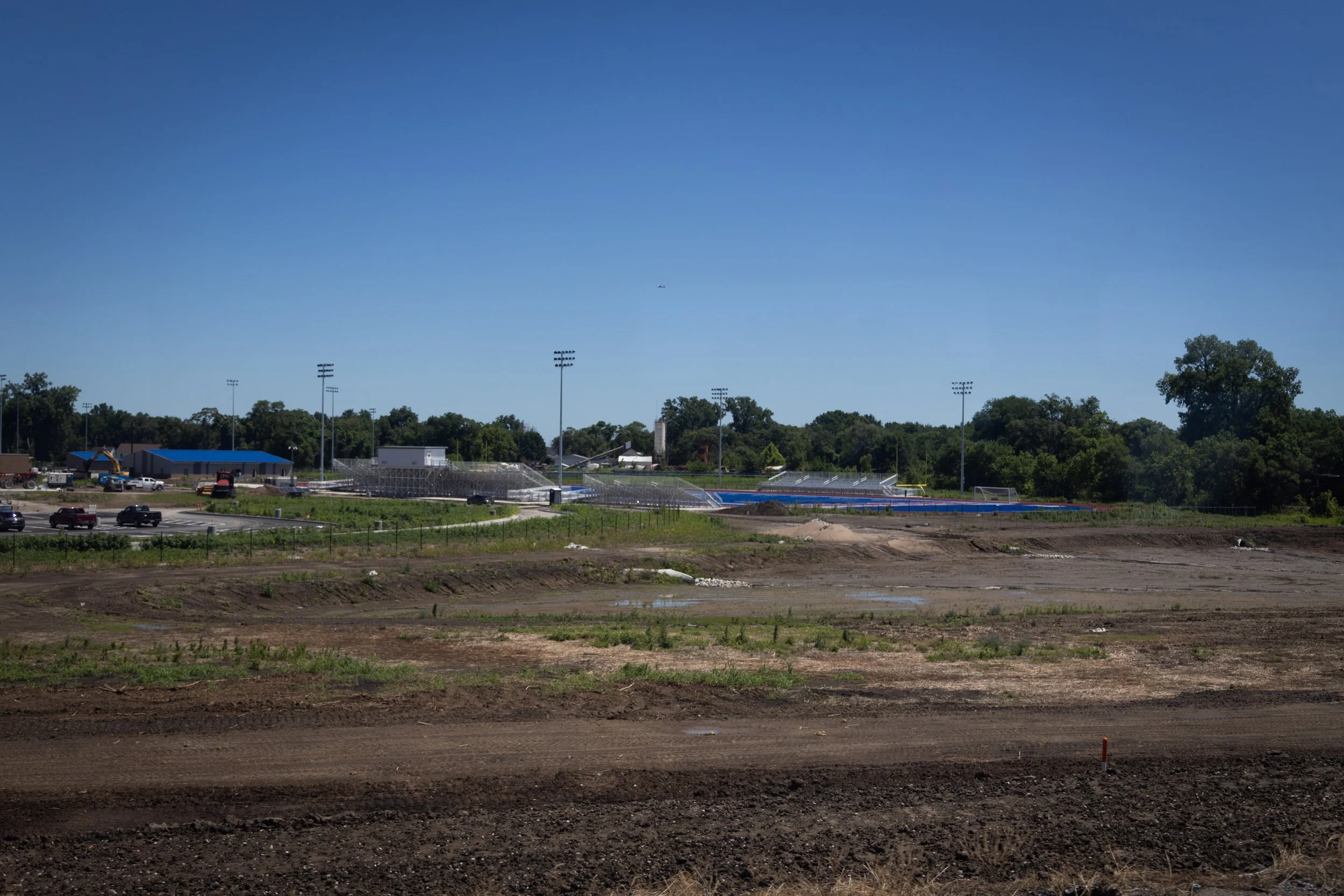
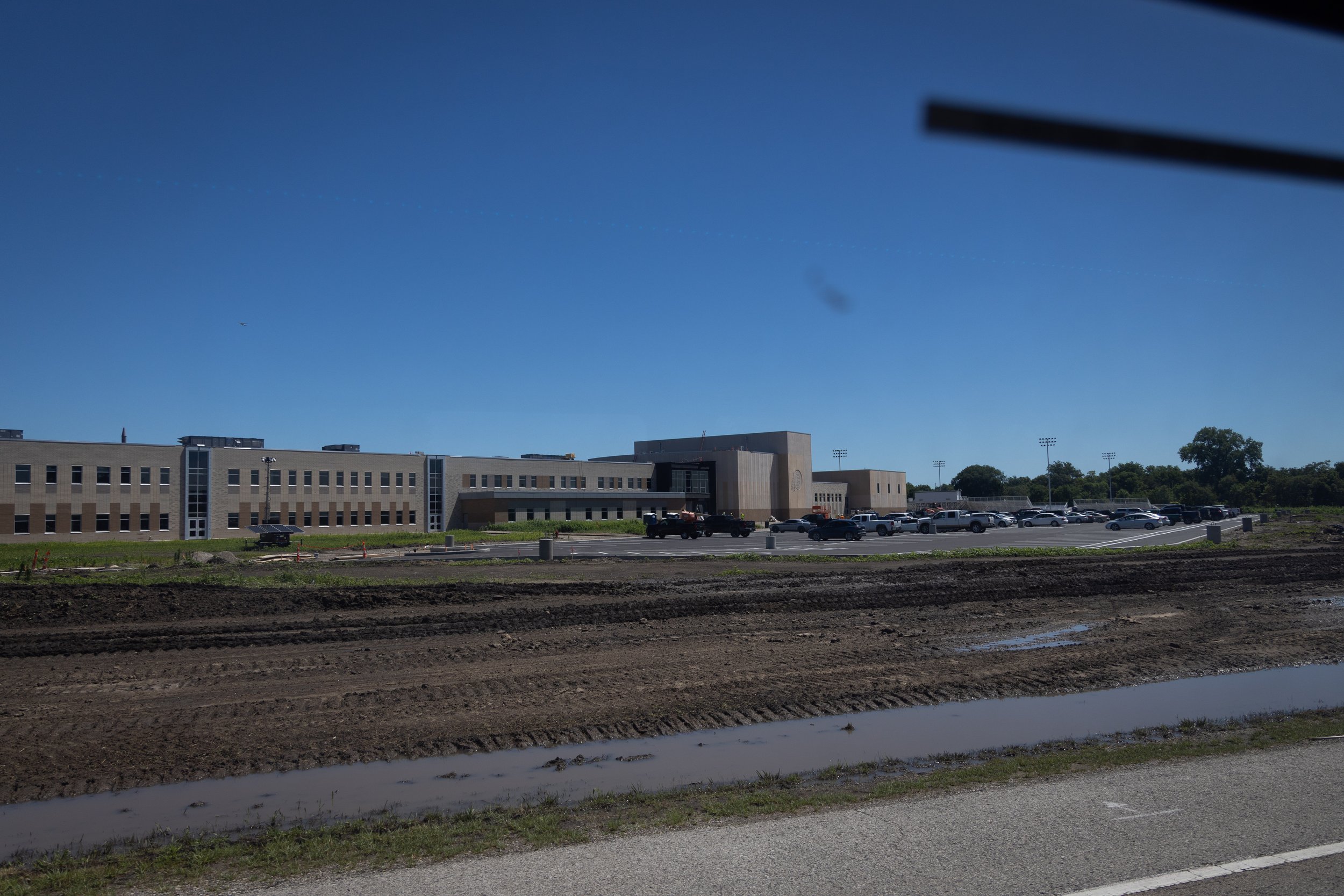
As we moved into Cahokia Heights the tour stopped at the new high school being built directly into a major floodplain. The school looks beautiful and grand, yet I could not see past the careless act of spending so much money building land that children in the neighborhood will have to bear the reality of their school deteriorating beneath them.
Just behind the construction of the new high school, sat the ruins of the abandoned Parks Air college. The building was abandoned in 1996; since the property sits untouched, only left to flood and decay. Seeing the old infrastructure stand next to floorpans for new builds took me aback. The feeling of neglect washed over my body and I knew that unless something were to change then this new school will tragically see the same fate as the old.
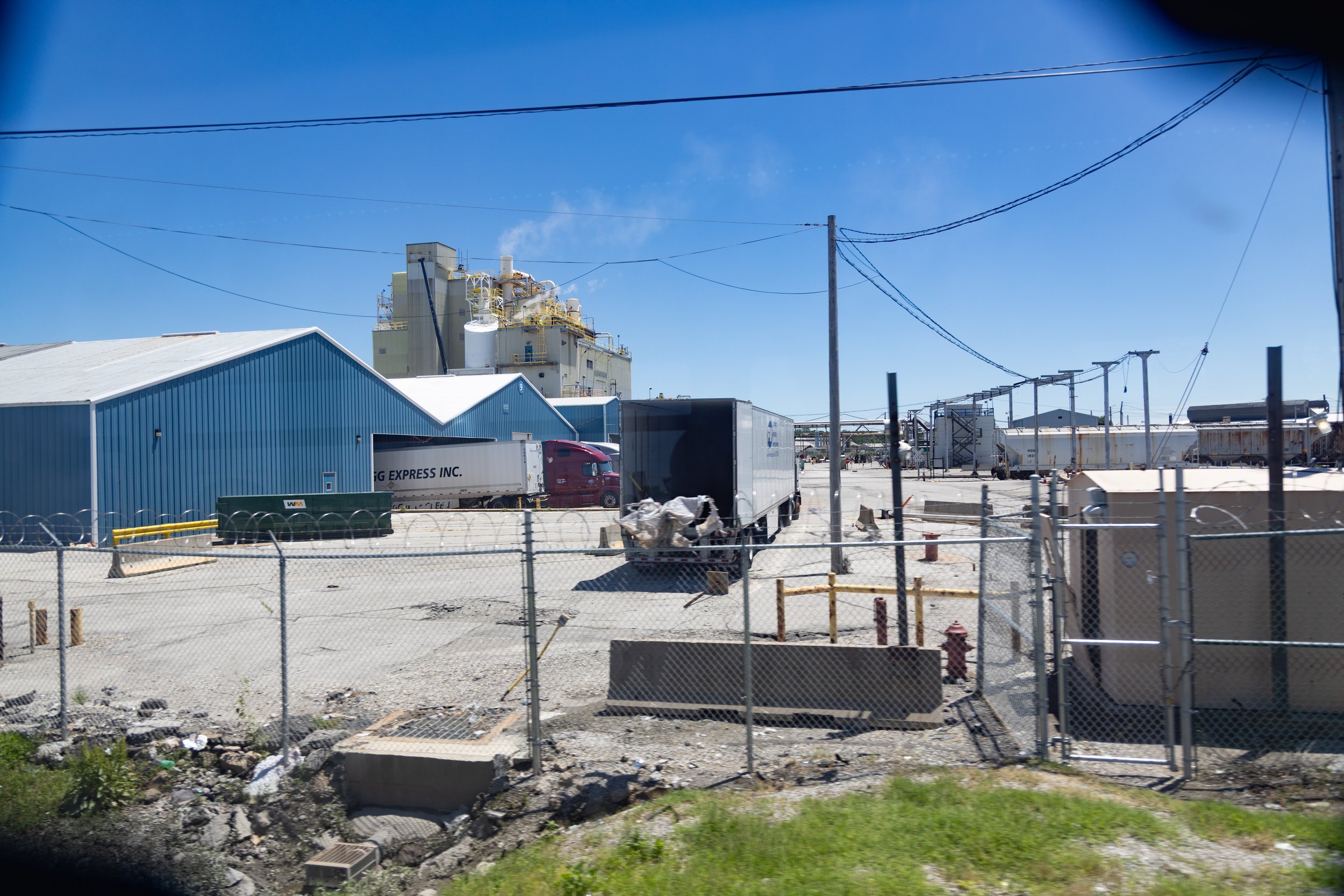
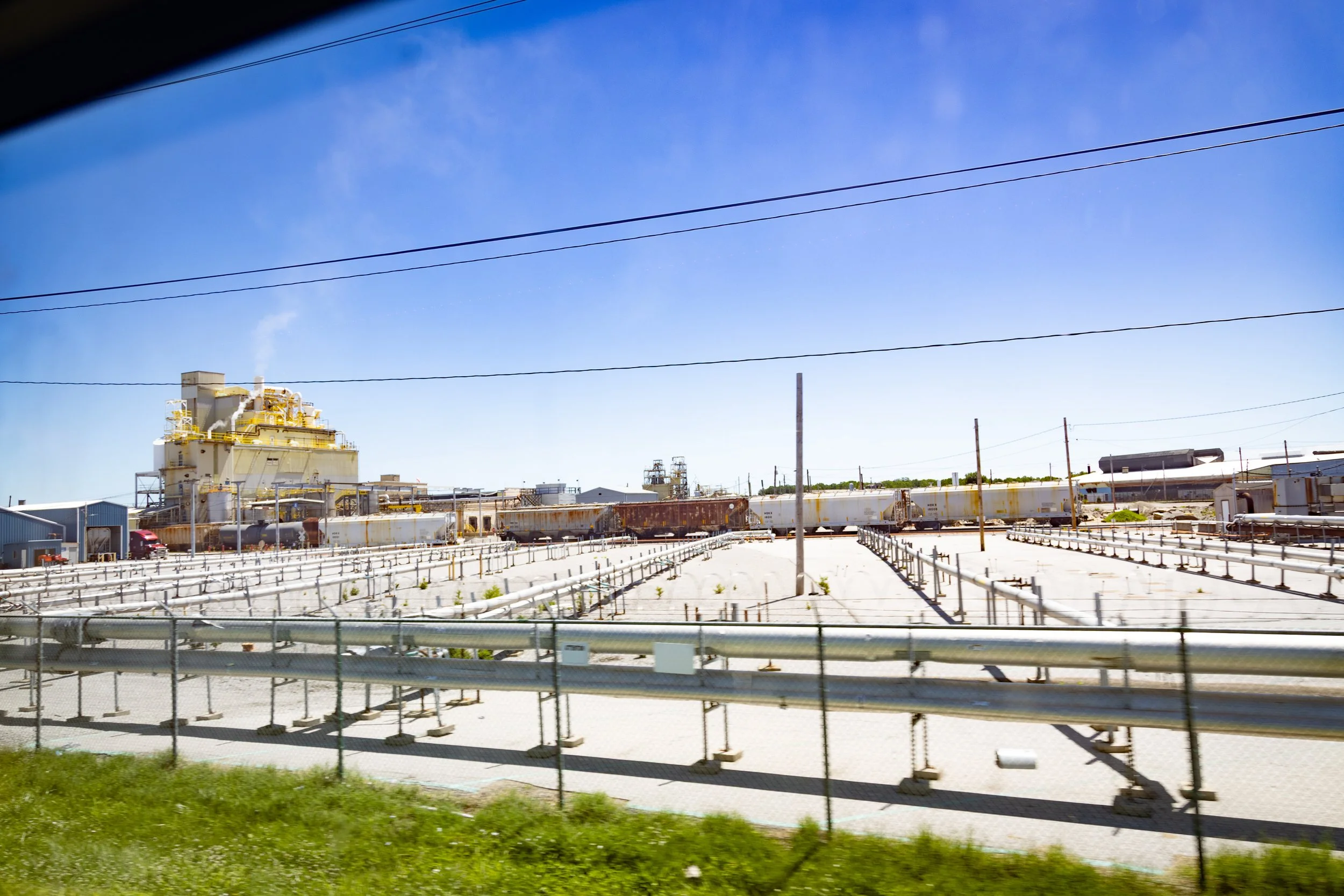
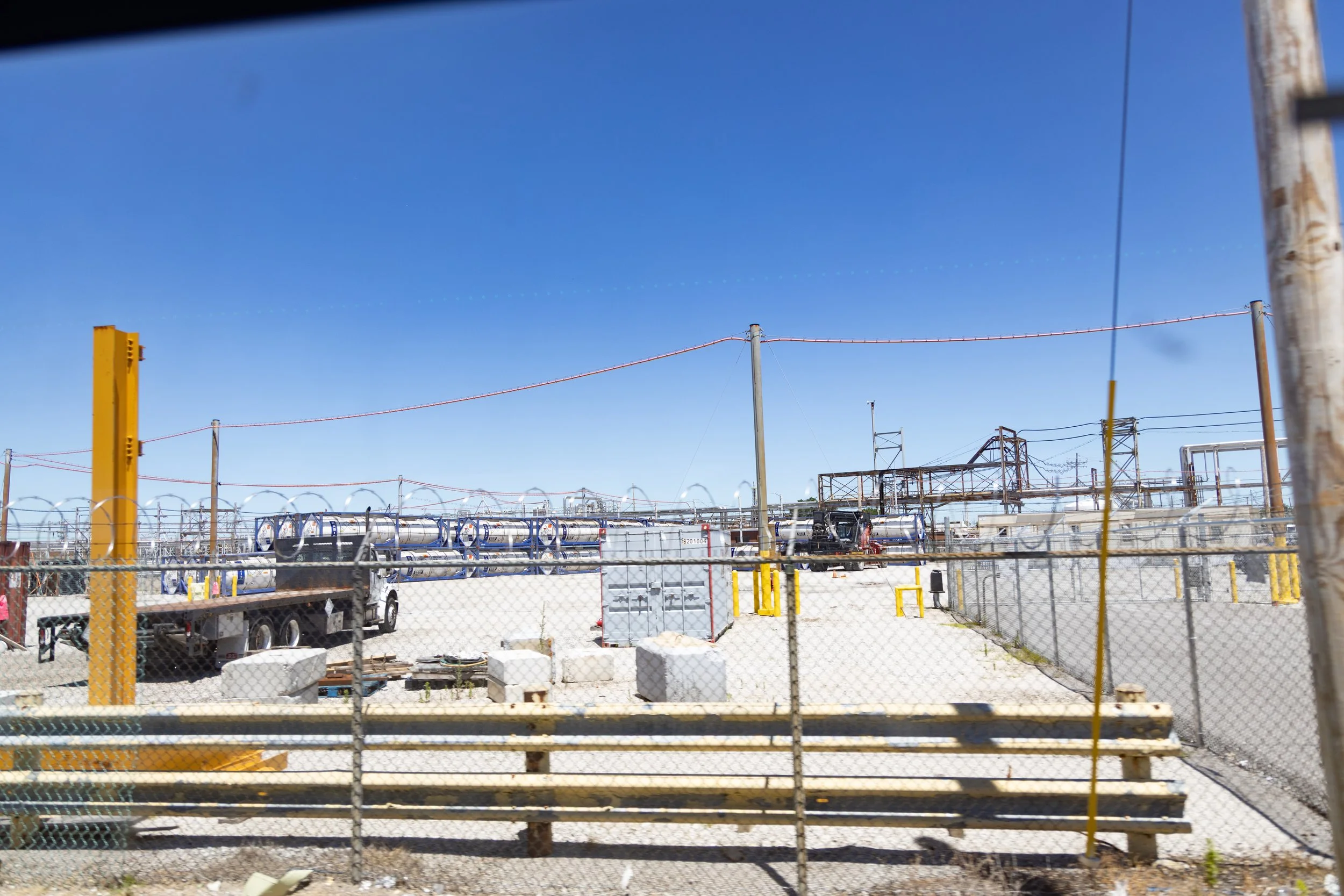
The last stop on the tour was the Veolia ES Technical Solutions plant home to a hazardous waste incinerator, in Sauget, Illinois. Participants not only saw and heard about the environmental issues within the area, but our tour guide, Williams ensured that the IEPA experienced the full reality of the toxins locals are forced to inhale everyday, all day.
As we drove through the entirety of the Veolia Plant the foul order of wasteful/hazardous chemicals burning filled the bus. The IEPA Environmental Justice Coordinator referred to the smell as “instantly headache inducing," as the smell of rotten sewage and burning metals filled the bus.
Mamie Cosey, a local advocate, spoke powerfully after the stop at the Veolia plant. Her passionate cries for clean air and water were not for her but her grandchildren and her great-grandchildren. She spoke about how there are days where children can’t even play outside due to how high and poor the air quality is in Sauget. “I’m glad you all are here,” she told the agency officials, “but something has to be done in Sauget. We deserve better. Our kids deserve better,” Cosey said.
Although the city of Sauget only has a population of 116 residents, their air poor quality is so wide it affects over 3,000 people in neighboring communities. Our tour guide, Williams, went into detail regarding how in 2021, the U.S. EPA issued a formal Finding of Violation against Veolia's Sauget facility for multiple violations. Their violations included air pollution regulations, including failure to meet carbon monoxide emission standards, an indication that hazardous waste was not being properly destroyed. The facility sits within a region where Black and low-income residents are disproportionately exposed to cumulative industrial pollution, a pattern that researchers and advocates have documented as environmental racism.
The facility sits within a region where Black and low-income residents are disproportionately exposed to cumulative industrial pollution, a pattern that researchers and advocates have documented as environmental racism. The town has no grocery store, yet it is home to popular clubs and a brand new marajuana dispensary.
The Environmental Toxic Tour highlighted the fact that none of our “normal” is normal, or acceptable. We are not living through isolated environmental incidents, here in the metro east, we are facing a much larger, systemic crisis that is only worsening by the day. All throughout the region, residents live with hazardous waste incinerators, industrial facilities operating next door to schools, and the ever growing multitude of sewage/drainage problems occurring routinely.
Fireside Chat
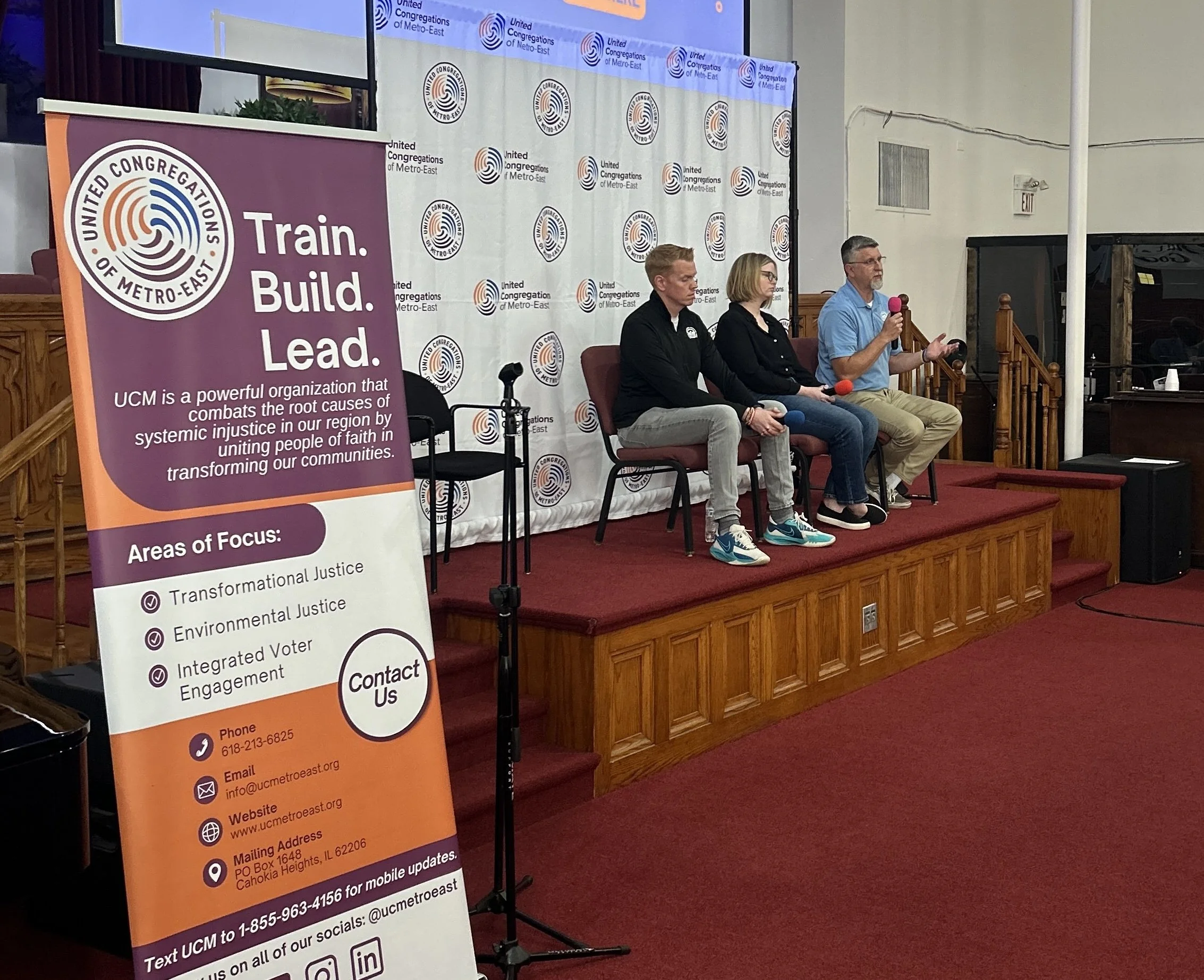
Immediately following the tour the community was invited to engage directly with the IEPA at a town-hall-style event, referred to as the Fireside Chat. Local residents and community members were invited to speak directly to the IEPA and ask them questions about their commitment to bettering the environment through actionable and agreeable steps. There was no beating around the bush, over 30 community members showed up and had their voices heard.
Many of the questions surrounded the Illinois EPA’s knowledge of the issues concerning the metro-east and how they plan to allocate resources and funds to solve sewage, flooding, and air quality concerns.
“We heard a lot about flooding and combined sewer overflows on the bus tour today. What resources can the IEPA bring to bear on those issues?” Asked a community member.
“I know on my drive back, I’m planning to call my counterpart at the federal government and convey that we were just here and this is something that we observed. I look forward to seeing how that conversation turns out. “We’re not walking away and saying ‘This isn’t us so, sorry,’ ”
It was powerful to sit in a space that welcomed discussion and provided room for locals to gain real answers and for the IEPA to see and hear how committed the metro-east is to improving our community together.
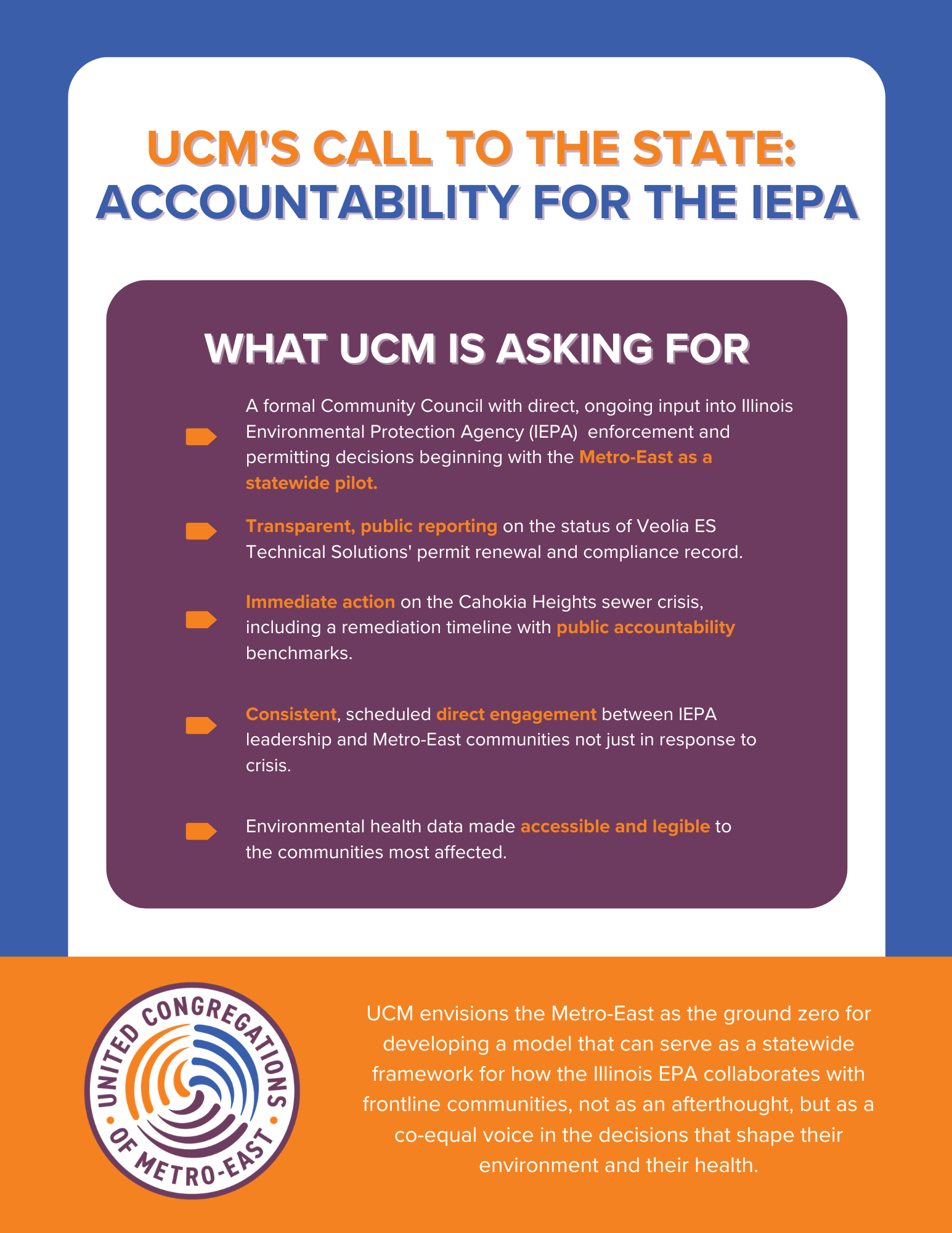
UCM's Call to the State: More Than a Visit
UCM is not asking Director Jennings and the IEPA for a one-time tour. UCM envisions the Metro-East as the ground zero for developing a model that can serve as a statewide framework for how the IEPA collaborates with frontline communities, not as an afterthought, but as a co-equal voice in the decisions that shape their environment and their health.
The establishment of a formal community council through which Southern Illinois residents have direct, ongoing input into IEPA enforcement priorities, permit decisions, and remediation timelines has been agreed upon by Director Jennings, as well as a $10 million pledge to help with various contaminated cleanup projects.
UCM has and will continue to ensure that this is not a one time event, yet this is the beginning of a lifetime of change for communities within the metro-east.